Industrial equipment used in electrical systems, marine engineering, heat transfer equipment, and heavy manufacturing often requires materials that combine excellent conductivity with long-term durability. Copper alloys have earned a strong reputation for meeting these demanding requirements while offering superior resistance to corrosion and wear.
From fabrication workshops to large engineering companies, selecting the right copper alloy helps improve equipment performance, reduce maintenance requirements, and extend service life. Businesses across Mumbai and Maharashtra continue to use copper alloy welding consumables for projects where reliability is a priority.
Why Copper Alloys Are Widely Used
Pure copper offers exceptional electrical and thermal conductivity, but alloying it with other metals improves strength, wear resistance, and mechanical performance.
Copper alloys provide several important benefits:
- Excellent corrosion resistance
- High thermal conductivity
- Superior electrical conductivity
- Good machinability
- Reliable mechanical strength
- Long service life
- Excellent resistance to seawater exposure
These properties make them suitable for challenging industrial environments.
Common Industrial Applications
Copper alloys are found across numerous industries.
Typical applications include:
- Marine equipment
- Heat exchangers
- Electrical components
- Power generation systems
- Shipbuilding
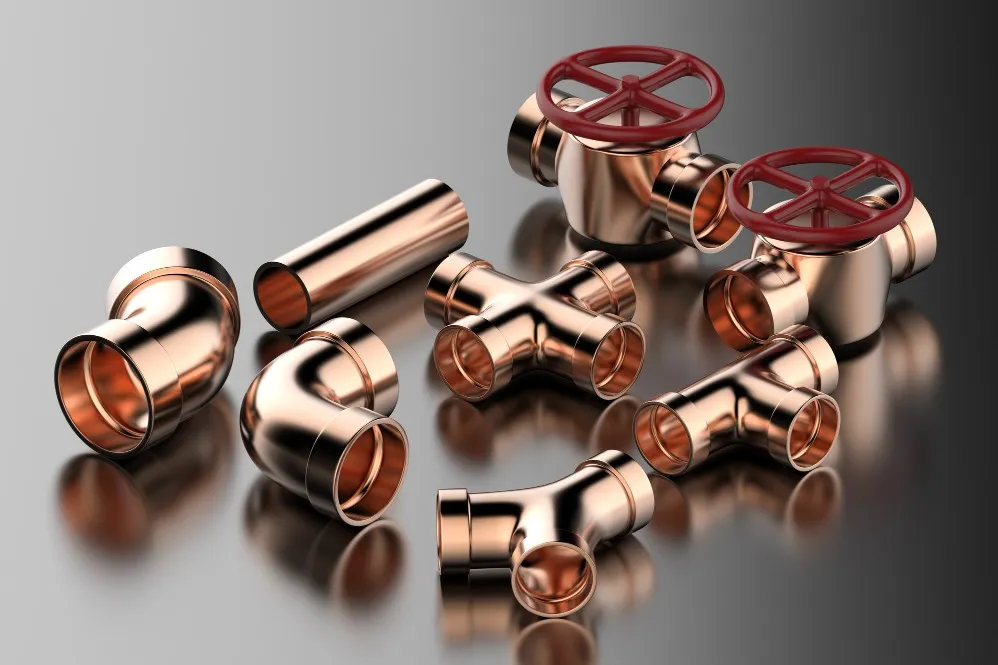
- Industrial piping
- Chemical processing equipment
- HVAC manufacturing
- Heavy engineering projects
Many industrial manufacturers specify copper alloys where efficient heat transfer or corrosion resistance is essential.
Selecting the Right Copper Alloy
Material selection depends on the operating conditions and performance requirements.
Important considerations include:
- Operating temperature
- Exposure to chemicals
- Mechanical loading
- Electrical conductivity requirements
- Corrosion resistance
- Service environment
Reviewing these factors helps engineers choose the most suitable alloy for long-term performance.
Welding Considerations
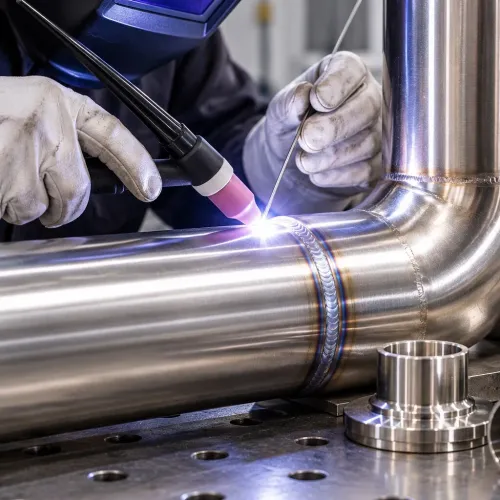
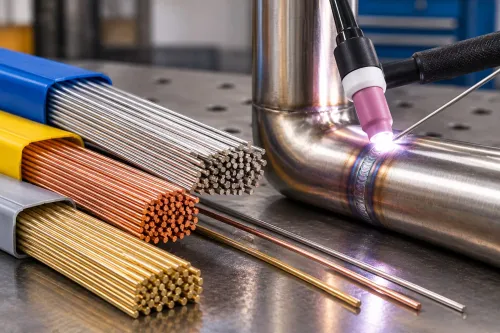
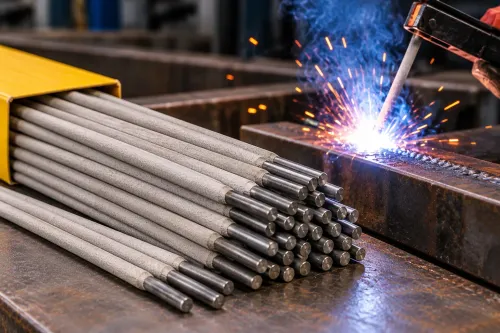
Copper alloys require controlled welding procedures because of their high thermal conductivity.
Good welding practices include:
- Clean all joint surfaces thoroughly.
- Select compatible filler materials.
- Maintain appropriate heat input.
- Use recommended welding techniques.
- Inspect completed welds carefully.
Following qualified procedures helps produce sound welds with minimal defects.
Storage of Welding Consumables
Maintaining consumable quality before welding is equally important.
Recommended storage practices include:
- Store in dry conditions.
- Protect from contamination.
- Keep packaging sealed until use.
- Separate different alloy grades.
- Rotate stock efficiently.
Proper storage contributes to more consistent welding performance.
Common Procurement Mistakes
Industrial buyers should avoid:
- Selecting materials without reviewing specifications
- Ignoring corrosion requirements
- Choosing filler metals based only on price
- Overlooking welding compatibility
- Purchasing uncertified products
A technically informed purchasing decision reduces future maintenance costs.
Choosing Quality Welding Materials
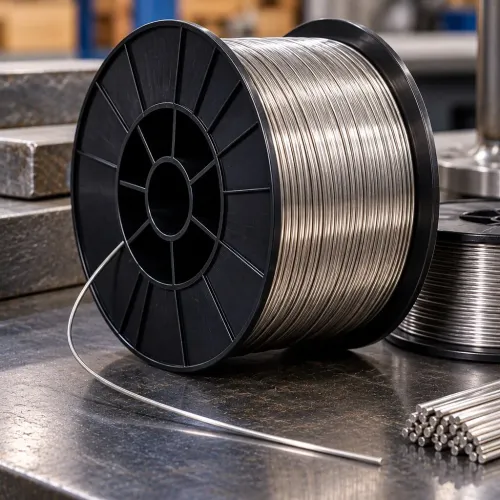
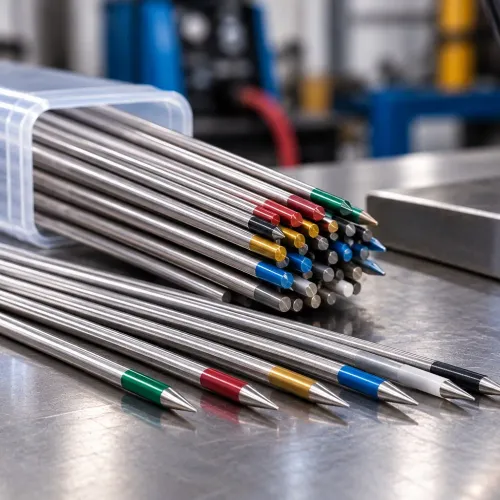
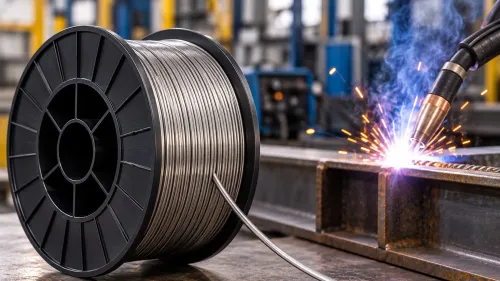
Copper alloy fabrication requires dependable welding consumables that deliver consistent mechanical performance. High-quality materials contribute to stronger welds, improved corrosion resistance, and greater operational reliability.
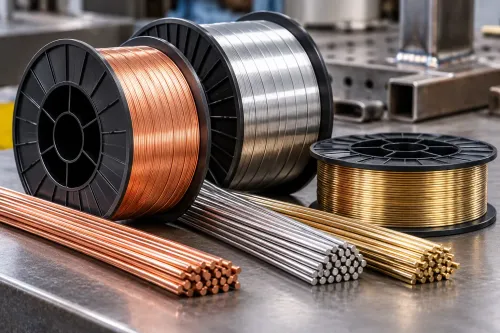
Companies such as RND Welding Pvt Ltd supply copper alloy welding consumables for engineering companies, fabrication industries, marine applications, and industrial manufacturers across Mumbai, Maharashtra. Their product portfolio supports businesses seeking reliable welding solutions for demanding industrial environments.
Keywords