Industrial machinery is designed to withstand demanding operating conditions, but constant exposure to abrasion, impact, friction, and erosion gradually wears down critical components. Replacing these parts frequently increases maintenance costs and production downtime. This is where hardfacing becomes a practical solution for extending equipment life and improving operational efficiency.
Hardfacing is widely used across mining, cement plants, steel manufacturing, construction, agriculture, shipbuilding, and heavy engineering industries. Rather than replacing worn components, a wear-resistant layer is deposited onto the surface through welding, allowing the part to continue performing under harsh conditions.
Understanding Hardfacing
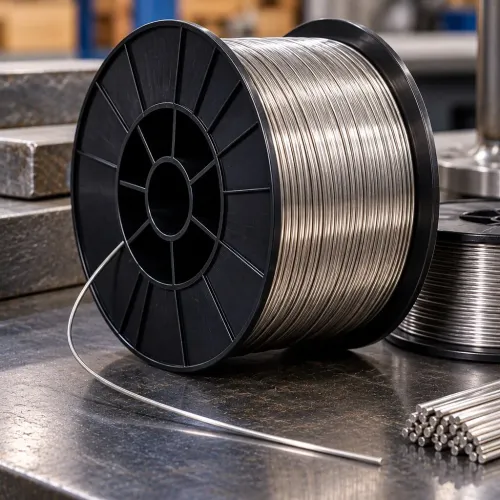
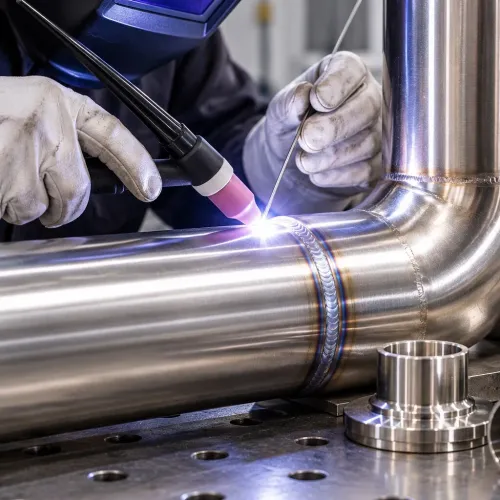
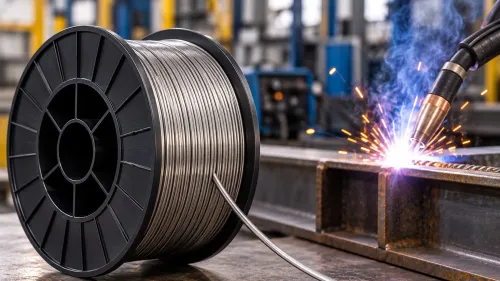
Hardfacing is a welding process that applies a protective metal alloy onto a component exposed to wear. This additional layer improves resistance against abrasion, impact, metal-to-metal friction, corrosion, or high-temperature erosion.
Unlike repair welding, which restores damaged parts to their original dimensions, hardfacing is often used as a preventive measure before severe wear occurs.
Industries commonly hardface:
- Crusher jaws
- Bucket teeth
- Conveyor screws
- Rollers
- Excavator components
- Earthmoving equipment
- Pump casings
- Mixer blades
- Augers
- Cutting edges
Different Types of Wear
Selecting the correct hardfacing solution depends on understanding the type of wear affecting the equipment.
Abrasive Wear
Occurs when sand, minerals, ores, or hard particles continuously rub against equipment surfaces.
Impact Wear
Results from repeated shock loading in crushing and material handling applications.
Metal-to-Metal Wear
Develops when moving steel components slide against each other under pressure.
Corrosive Wear
Common in chemical processing plants where aggressive substances attack metal surfaces.
Heat-Related Wear
Found in high-temperature manufacturing environments where oxidation accelerates material degradation.
Each wear mechanism requires different alloy compositions and welding procedures.
Benefits of Hardfacing
Industries invest in hardfacing because it delivers measurable operational benefits.
Key advantages include:
- Longer equipment lifespan
- Reduced maintenance frequency
- Lower replacement costs
- Improved machine availability
- Better production efficiency
- Reduced downtime
- Enhanced wear resistance
- Higher return on equipment investment
These advantages make hardfacing an essential maintenance strategy rather than simply a repair technique.
Selecting Suitable Hardfacing Materials
Choosing the correct welding consumable depends on several operating conditions.
Factors include:
- Base metal composition
- Type of wear
- Service temperature
- Required hardness
- Impact resistance
- Operating environment
Using an overly hard alloy in high-impact applications may lead to cracking, while softer materials may wear rapidly in abrasive environments.
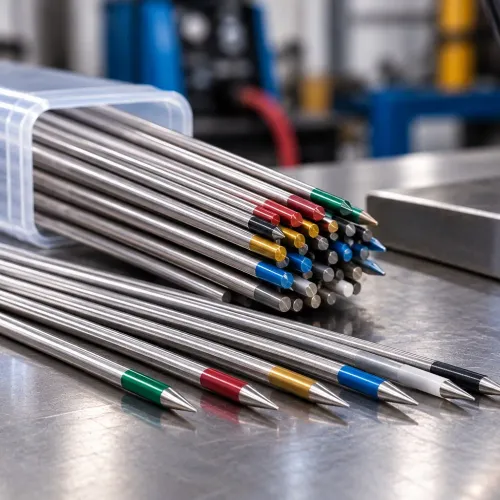
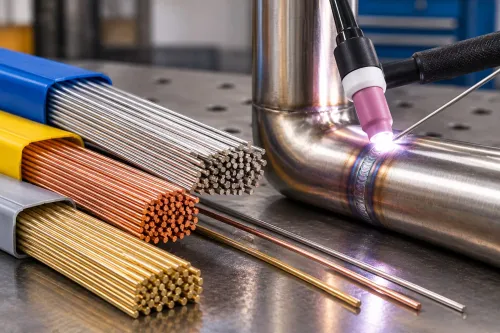
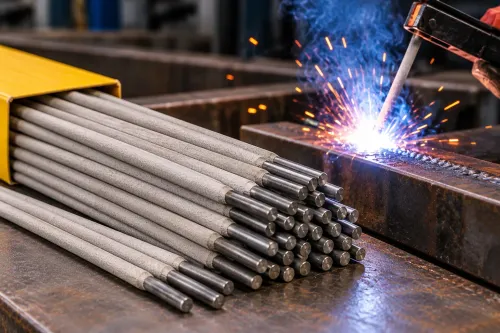
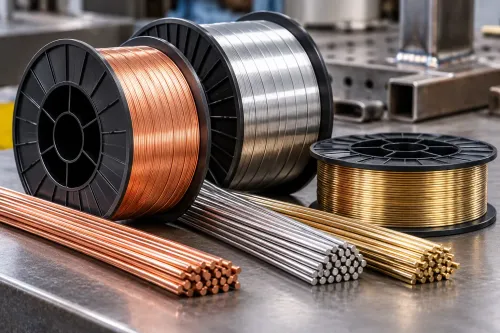
Manufacturers such as RND Welding Pvt Ltd provide industrial welding consumables suitable for hardfacing applications across heavy engineering sectors, helping businesses match welding materials with specific service conditions.
Best Practices During Hardfacing
Successful hardfacing depends on following proper welding procedures.
Recommended practices include:
- Clean the component thoroughly before welding.
- Remove damaged or cracked material.
- Follow recommended preheating procedures where necessary.
- Apply weld layers uniformly.
- Control heat input to minimize distortion.
- Allow appropriate cooling based on material specifications.
- Inspect the finished surface before returning equipment to service.
Consistent welding practices improve coating performance and reduce premature failures.
Industries That Benefit Most
Hardfacing delivers value across many industrial sectors.
Applications include:
- Mining operations
- Cement manufacturing
- Steel plants
- Power generation
- Agricultural machinery
- Heavy fabrication
- Construction equipment
- Shipbuilding
- Oil and gas industries
Many manufacturers across Mumbai and Maharashtra use hardfacing to increase equipment reliability while lowering long-term operating costs.
Common Hardfacing Mistakes
Even high-quality welding materials cannot compensate for poor application techniques.
Avoid these common mistakes:
- Selecting the wrong alloy
- Excessive heat input
- Poor surface preparation
- Applying unnecessary weld thickness
- Ignoring preheating requirements
- Failing to inspect the completed weld
Proper planning helps maximize the effectiveness of every hardfacing application.
Hardfacing continues to be one of the most cost-effective maintenance strategies available for heavy industries. When applied correctly using suitable welding consumables, it significantly extends equipment life while reducing repair frequency. Businesses seeking dependable welding materials often rely on experienced suppliers that understand industrial wear challenges and provide products designed for demanding applications throughout Mumbai, Maharashtra, and beyond.
Keywords