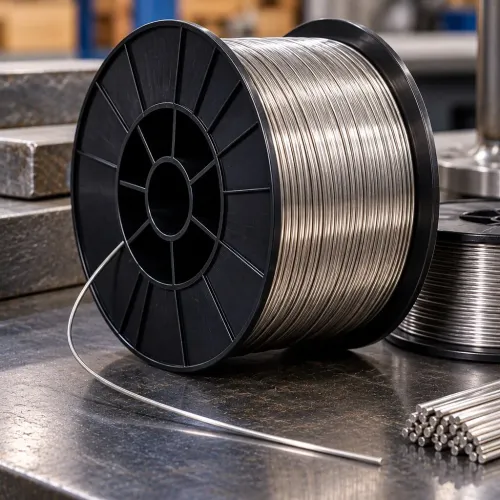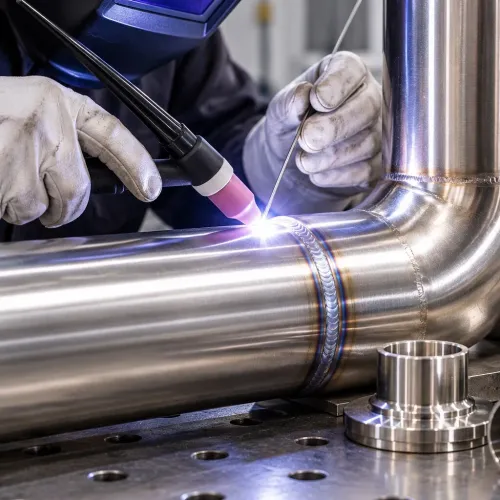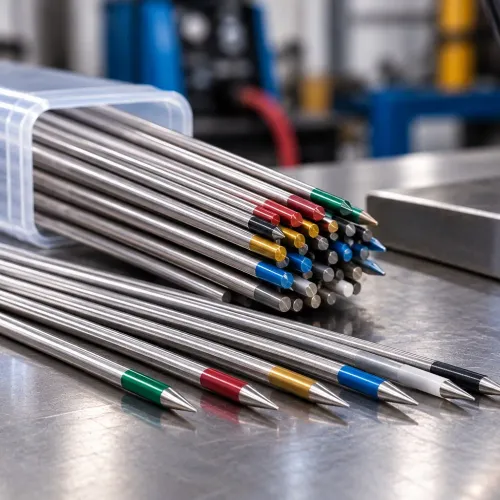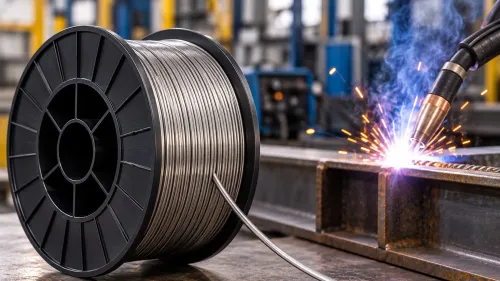
High-volume fabrication environments require welding processes that combine speed, efficiency, and dependable weld quality. E70T-4 flux-cored welding wire is widely selected for applications where high deposition rates and productivity are major priorities.
Heavy engineering companies, steel fabricators, and manufacturing facilities often use this welding wire to complete large production volumes efficiently while maintaining acceptable mechanical performance.
Understanding E70T-4
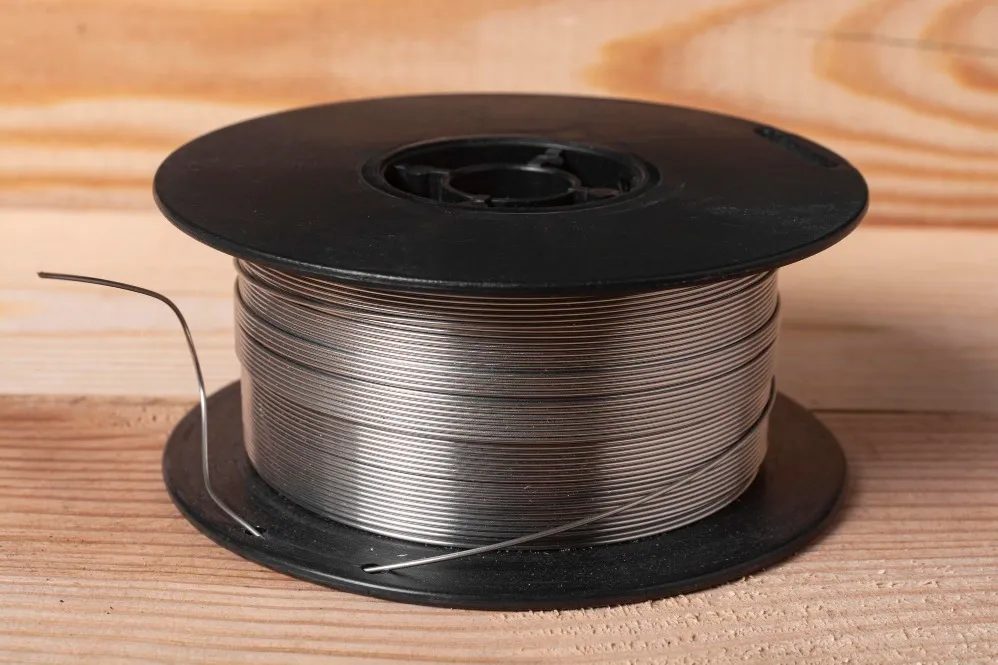
E70T-4 is a self-shielded flux-cored welding wire developed primarily for flat and horizontal welding positions.
Its characteristics make it particularly suitable for applications involving thicker materials where production speed is important.
The wire is commonly used in fabrication environments requiring efficient welding with minimal interruptions.
Key Benefits
Industrial users select E70T-4 for several practical reasons.
Major advantages include:
- High deposition rates
- Faster welding speed
- Excellent productivity
- Deep penetration
- Reduced production time
- Efficient welding on thicker sections
- Suitable for large fabrication projects
These characteristics contribute to lower fabrication costs on many industrial projects.
Industries That Commonly Use E70T-4
Applications include:
- Structural fabrication
- Shipbuilding
- Construction equipment
- Heavy machinery
- Steel manufacturing
- Industrial fabrication
- Storage tank production
- Large welded assemblies
Many fabrication companies in Mumbai and Maharashtra rely on efficient welding solutions to meet demanding project schedules.
Choosing the Right Welding Parameters
Proper machine settings play an important role in weld quality.
Fabricators should consider:
- Material thickness
- Wire diameter
- Travel speed
- Voltage
- Welding current
- Joint preparation
Following manufacturer recommendations helps maximize productivity while minimizing weld defects.
Good Fabrication Practices
Reliable welding performance depends on more than selecting the correct wire.
Recommended practices include:
- Prepare clean joint surfaces.
- Maintain consistent welding speed.
- Monitor heat input.
- Use appropriate fit-up techniques.
- Inspect weld quality regularly.
- Store welding wire correctly.
Consistent procedures improve repeatability across production batches.
Mistakes That Reduce Productivity
Several avoidable issues may affect fabrication efficiency.
Examples include:
- Incorrect parameter settings
- Poor joint preparation
- Inconsistent travel speed
- Selecting unsuitable wire diameter
- Ignoring maintenance of welding equipment
Addressing these issues improves production output while reducing rework.
Selecting Reliable Welding Consumables
Industrial procurement teams should evaluate suppliers based on:
- Product consistency
- Manufacturing quality
- Technical support
- Compliance with industry standards
- Availability of multiple product grades
Reliable consumables contribute directly to fabrication quality and operational efficiency.
Supporting Efficient Manufacturing
Modern fabrication facilities depend on welding consumables that support both quality and productivity. E70T-4 continues to be an effective choice for high-volume industrial applications requiring dependable performance on heavy steel components.
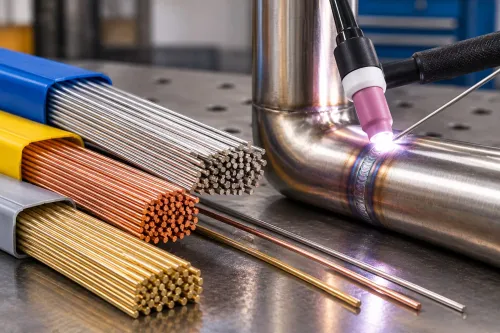
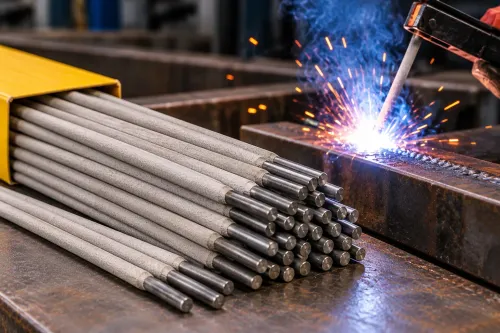
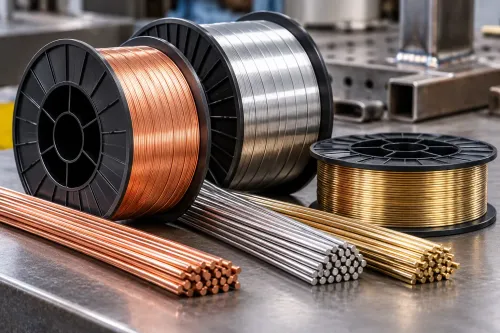
Manufacturers such as RND Welding Pvt Ltd provide industrial welding consumables including flux-cored welding wires, electrodes, MIG wires, TIG products, and specialised welding solutions that support engineering companies across Mumbai, Maharashtra, and industrial markets serving diverse manufacturing sectors.
Keywords