Pressure vessels are among the most critical components used in manufacturing, chemical processing, refineries, pharmaceutical production, food processing, and power generation. Because these vessels operate under high internal pressure, every stage of fabrication requires precision, quality materials, and dependable welding procedures.
Proper welding practices significantly influence the safety, durability, and operational efficiency of pressure vessels throughout their service life.
Understanding Pressure Vessels
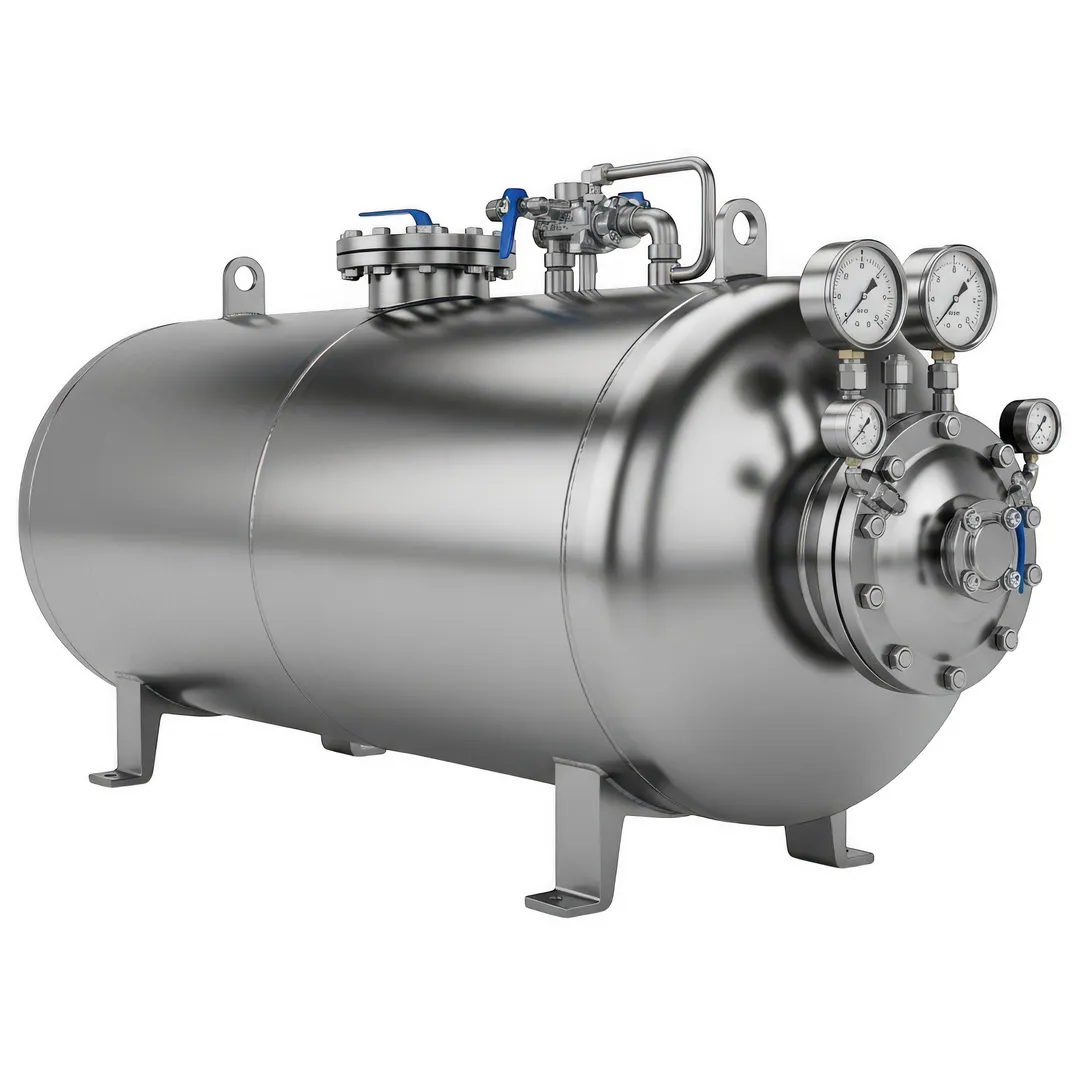
Pressure vessels are enclosed containers designed to store gases or liquids at pressures substantially different from atmospheric conditions.
Examples include:
- Industrial boilers
- Air receivers
- Storage tanks
- Heat exchangers
- Reactors
- Process vessels
- Steam drums
- LPG storage systems
Each application has unique fabrication requirements based on operating pressure, temperature, and service conditions.
Importance of High-Quality Welding
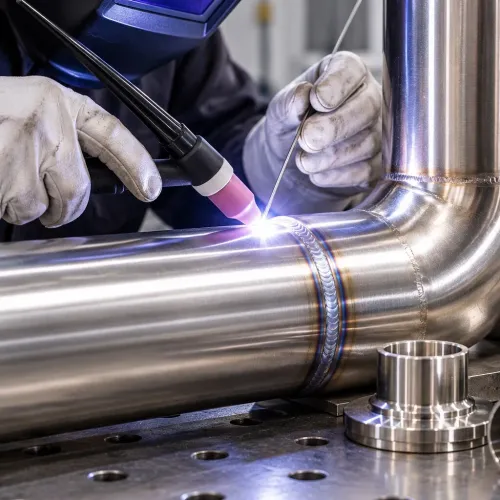
The strength of a pressure vessel depends largely on the quality of its welded joints.
Proper welding helps achieve:
- Leak-free performance
- Structural integrity
- Long service life
- Improved operational safety
- Reduced maintenance
- Compliance with industry codes
Even minor welding defects may affect long-term reliability.
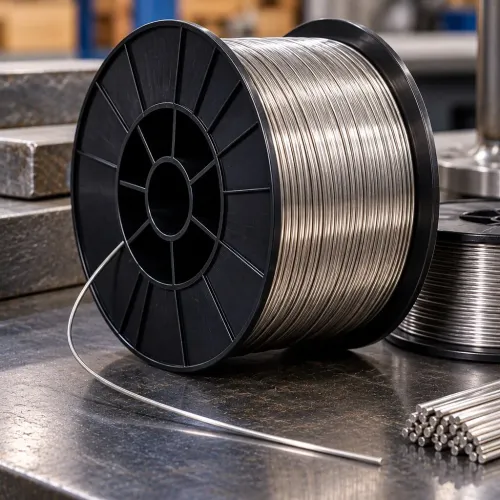
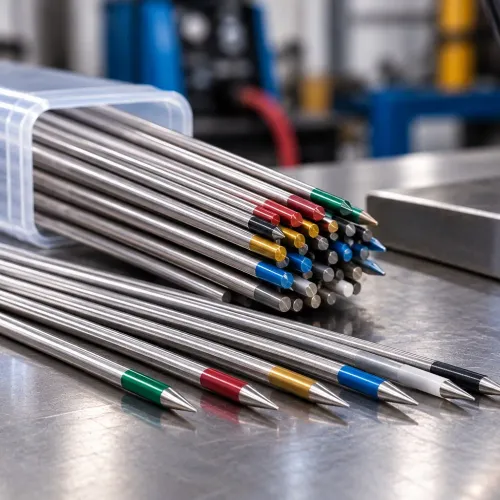
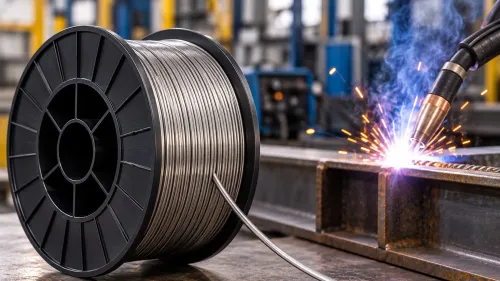
Selecting Suitable Welding Consumables
Fabricators should select welding consumables that match both the base material and project specifications.
Selection depends on:
- Material grade
- Pressure rating
- Operating temperature
- Corrosion resistance
- Mechanical strength
- Applicable fabrication standards
Using compatible consumables helps produce strong, consistent welds capable of handling demanding industrial conditions.
Manufacturing Industries Using Pressure Vessels
Pressure vessels support numerous industrial sectors.
These include:
- Oil and gas
- Petrochemical plants
- Fertilizer manufacturing
- Pharmaceutical production
- Food processing
- Beverage manufacturing
- Power generation
- Heavy engineering
Mumbai remains one of India's major industrial hubs where pressure vessel fabrication supports diverse manufacturing activities throughout Maharashtra.
Inspection During Fabrication
Quality inspection forms an essential part of pressure vessel manufacturing.
Common inspection methods include:
- Visual examination
- Radiographic testing
- Ultrasonic testing
- Magnetic particle testing
- Hydrostatic testing
- Dimensional verification
Regular inspection helps identify defects before equipment enters service.
Best Practices During Fabrication
Fabricators should follow established welding procedures throughout production.
Recommended practices include:
- Prepare joints accurately.
- Maintain proper fit-up.
- Control welding parameters.
- Select approved consumables.
- Monitor heat input.
- Perform intermediate inspections.
- Complete final quality testing.
These practices improve reliability while reducing the likelihood of future failures.
Common Challenges
Pressure vessel manufacturers frequently encounter:
- Distortion during welding
- Incomplete penetration
- Hydrogen cracking
- Material compatibility issues
- Residual stresses
- Inspection failures
Proper planning and qualified welding procedures help minimize these challenges.
Reliable Welding Materials Support Safe Fabrication
Pressure vessels operate in environments where safety cannot be compromised. High-quality welding consumables, qualified fabrication practices, and comprehensive inspection procedures together contribute to dependable industrial equipment.
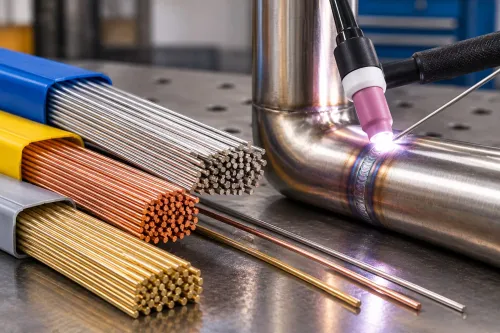
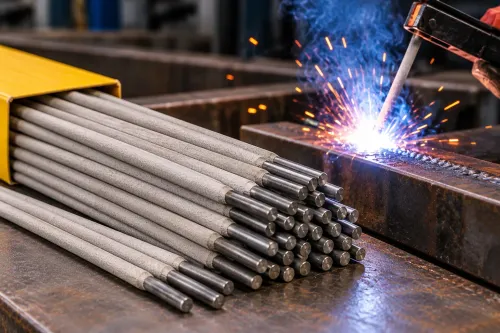
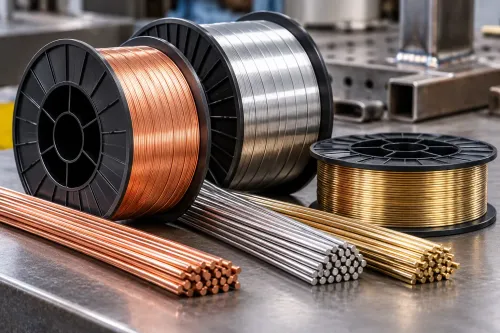
Manufacturers sourcing welding products often work with experienced suppliers such as RND Welding Pvt Ltd, which provides welding electrodes, MIG wires, TIG consumables, submerged arc products, and specialised welding materials for pressure vessel fabrication across Mumbai, Maharashtra, and industrial markets worldwide.
Keywords