Industrial environments often expose equipment to corrosive chemicals, high temperatures, pressure fluctuations, and aggressive operating conditions. Standard materials may deteriorate quickly under these circumstances, leading to frequent repairs and production losses. This is why Nickel Alloys have become an important material choice across demanding industries.
From petrochemical processing to offshore platforms, these alloys offer exceptional durability where conventional metals struggle to perform. Understanding their applications helps procurement teams and engineering professionals make informed purchasing decisions.
Why Nickel Alloys Are Preferred
Nickel-based alloys retain their mechanical properties even when exposed to extreme temperatures and corrosive environments. Their chemical composition provides excellent resistance against oxidation, scaling, and chemical attack.
Major advantages include:
- Excellent corrosion resistance
- High-temperature stability
- Long service life
- Outstanding mechanical strength
- Resistance to stress corrosion cracking
- Reliable weldability
These characteristics make nickel alloys suitable for projects where safety and operational reliability are essential.
Industries Using Nickel Alloys
Numerous industrial sectors rely on these materials.
Common applications include:
- Oil and gas processing
- Chemical manufacturing
- Marine engineering
- Power generation
- Aerospace components
- Pressure equipment
- Heat exchangers
- Offshore installations
- Industrial furnaces
Manufacturers across Mumbai and Maharashtra frequently specify nickel alloys for equipment expected to operate under severe service conditions.
Factors to Evaluate Before Selection
Selecting the appropriate alloy depends on the operating environment.
Important considerations include:
- Operating temperature
- Chemical exposure
- Pressure conditions
- Mechanical loading
- Corrosion resistance requirements
- Applicable industry standards
Evaluating these factors ensures longer equipment life and reduced maintenance requirements.
Welding Considerations
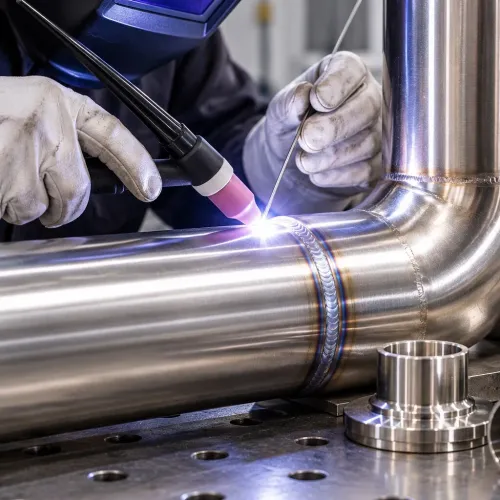
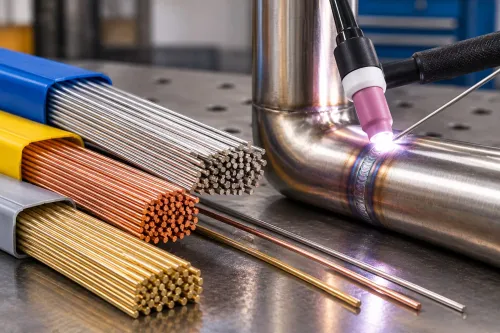
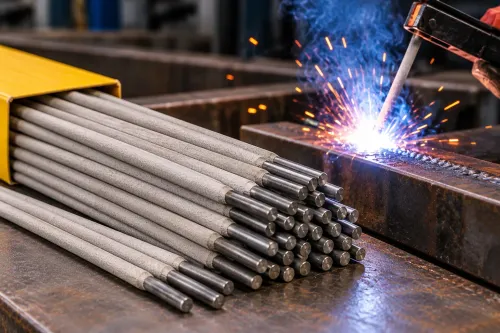
Proper welding procedures are essential for preserving the performance characteristics of nickel alloys.
Recommended practices include:
- Clean joint surfaces thoroughly.
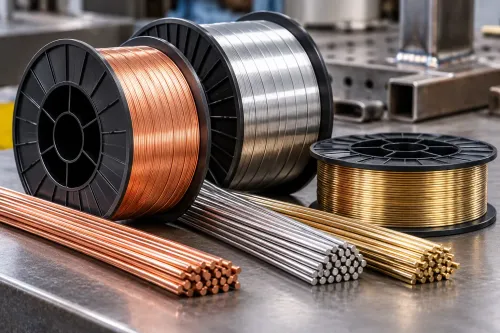
- Select compatible filler materials.
- Control heat input carefully.
- Maintain proper interpass temperatures.
- Inspect completed welds according to project requirements.
Following qualified procedures helps minimize weld defects and improves structural integrity.
Typical Fabrication Applications
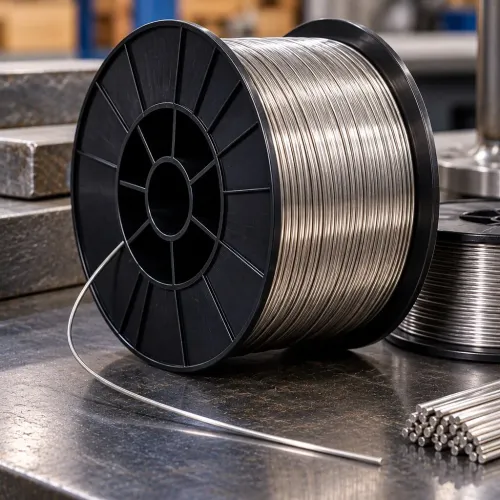
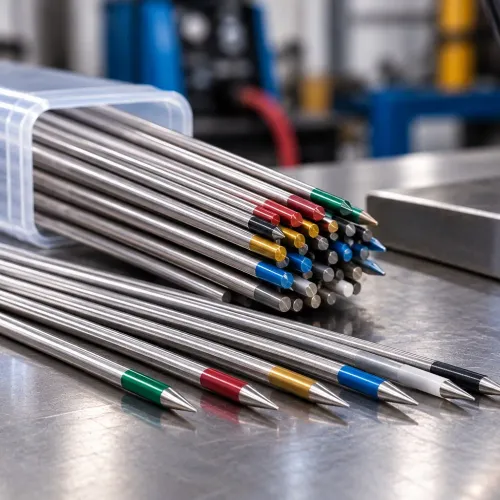
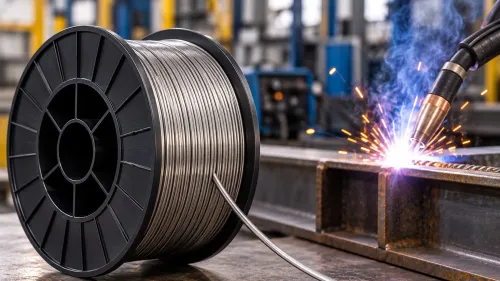
Nickel alloy welding products are widely used for manufacturing:
- Storage tanks
- Pressure vessels
- Reactor components
- Industrial piping
- Process equipment
- Heat recovery systems
- Marine structures
Their versatility supports both new fabrication projects and maintenance work.
Common Purchasing Mistakes
Industrial buyers should avoid:
- Choosing materials solely on price
- Ignoring service temperature
- Overlooking corrosion requirements
- Using incompatible filler metals
- Purchasing from unverified suppliers
Selecting materials based on technical requirements provides better long-term value.
Supporting Industrial Reliability
Industrial projects demand materials capable of performing under continuous stress without compromising safety. Nickel alloys continue to be one of the most dependable choices for corrosive and high-temperature applications.
Companies such as RND Welding Pvt Ltd supply nickel alloy welding consumables for fabrication companies, engineering contractors, heavy industries, and manufacturers across Mumbai, Maharashtra, helping industrial projects achieve reliable welding performance and long service life.
Keywords