Working beneath the surface of the water presents unique engineering challenges, particularly when critical infrastructure requires repair or maintenance. Underwater welding plays an essential role in keeping marine structures, offshore facilities, and submerged pipelines operational without requiring complete dismantling or dry docking.
Although highly specialized, underwater welding has become an indispensable service for industries involved in offshore energy, ship repair, ports, and marine infrastructure. Understanding where and how this process is used helps engineering professionals appreciate the importance of selecting suitable welding techniques and consumables.
What Is Underwater Welding?
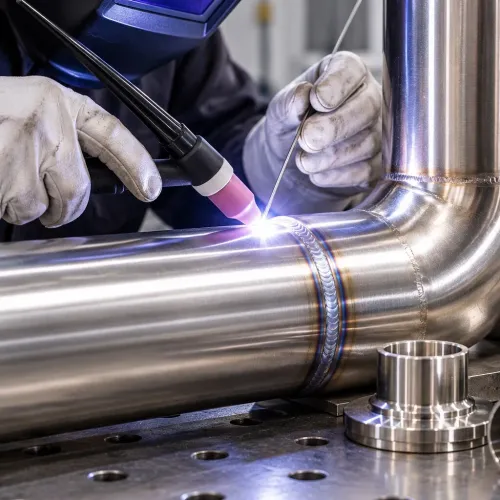
Underwater welding refers to joining or repairing metal structures below the water's surface using specialized welding equipment and trained professionals.
The process generally falls into two categories:
- Wet underwater welding
- Dry habitat welding
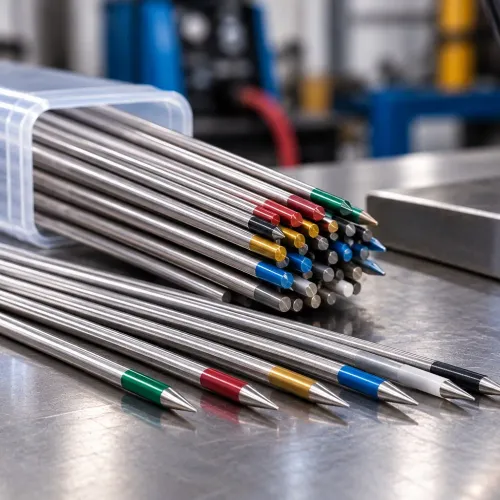
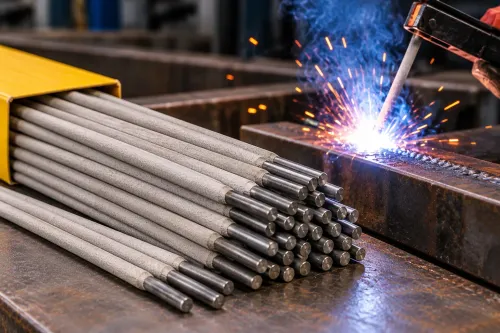
Wet welding is performed directly in the water using waterproof electrodes, while dry welding takes place inside a sealed chamber that keeps the work area free from water.
The choice depends on project complexity, structural requirements, and environmental conditions.
Common Applications
Underwater welding supports numerous marine and industrial sectors.
Typical applications include:
- Ship hull repairs
- Offshore oil platforms
- Underwater pipelines
- Harbour structures
- Bridges
- Docks
- Marine construction
- Hydroelectric facilities
- Submerged storage tanks
These structures often require immediate repairs to maintain safety and avoid operational disruptions.
Challenges Faced During Underwater Welding
Unlike conventional welding, underwater operations involve additional technical difficulties.
These include:
- Limited visibility
- Water pressure
- Heat loss
- Arc stability
- Hydrogen-related cracking
- Strong underwater currents
- Restricted working space
Every project requires careful planning to ensure structural integrity and worker safety.
Importance of Welding Consumables
Consumables used in underwater welding must perform reliably despite moisture, varying temperatures, and demanding environmental conditions.
Selection depends on:
- Base material
- Water depth
- Structural loading
- Corrosion exposure
- Applicable welding process
- Mechanical property requirements
Reliable welding consumables contribute to stronger welds while reducing the likelihood of defects.
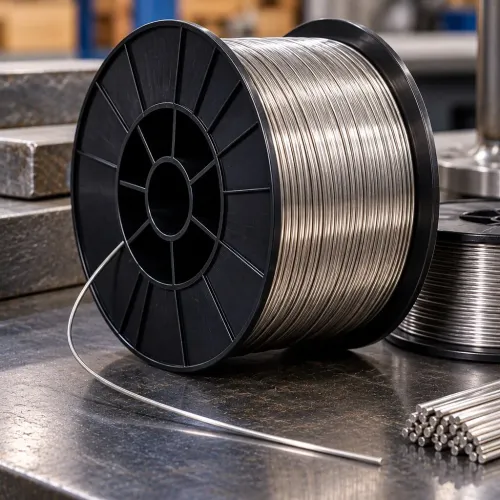
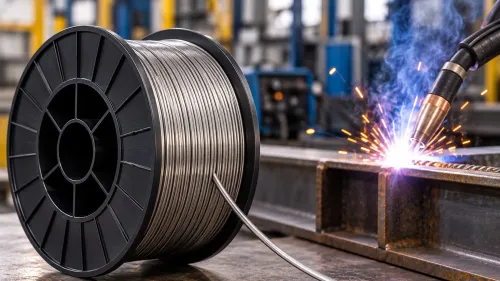
Industrial manufacturers like RND Welding Pvt Ltd supply a wide range of welding electrodes and consumables suitable for demanding industrial environments where consistent weld quality is essential.
Safety Considerations
Safety remains the highest priority during underwater welding operations.
Essential measures include:
- Thorough inspection before diving.
- Certified diving and welding personnel.
- Electrical safety controls.
- Continuous communication with the surface team.
- Appropriate breathing equipment.
- Environmental monitoring.
- Compliance with marine industry standards.
Strict safety procedures help minimize operational risks while maintaining repair quality.
Why Material Selection Matters
Marine structures face constant exposure to saltwater, pressure variations, and corrosion.
Selecting compatible welding materials helps achieve:
- Improved corrosion resistance
- Better mechanical strength
- Longer repair life
- Reduced maintenance frequency
- Reliable structural performance
Incorrect material selection may accelerate corrosion or reduce service life.
Industries Using Underwater Welding
Several industries depend on underwater welding for infrastructure maintenance.
Major sectors include:
- Shipbuilding
- Offshore oil and gas
- Port authorities
- Marine construction
- Naval engineering
- Hydroelectric projects
- Coastal infrastructure
- Offshore renewable energy
Mumbai, with its major ports and maritime industries, continues to play an important role in supporting marine engineering activities across Maharashtra.
Planning Successful Marine Repairs
Successful underwater welding involves much more than performing a weld beneath the water. Engineering assessments, material compatibility, environmental conditions, qualified personnel, and dependable welding consumables all contribute to reliable long-term performance.
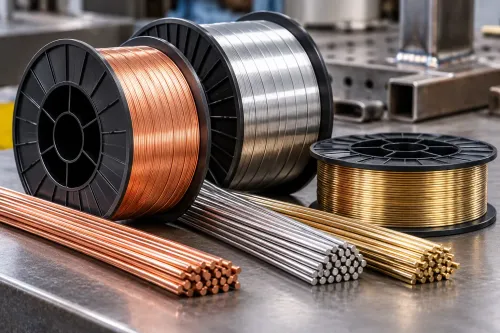
Organizations involved in marine fabrication and offshore maintenance benefit from working with suppliers that understand the demanding nature of industrial welding applications. Access to quality electrodes, welding wires, and specialized consumables helps ensure repairs meet the structural and operational expectations of modern marine industries.
Keywords